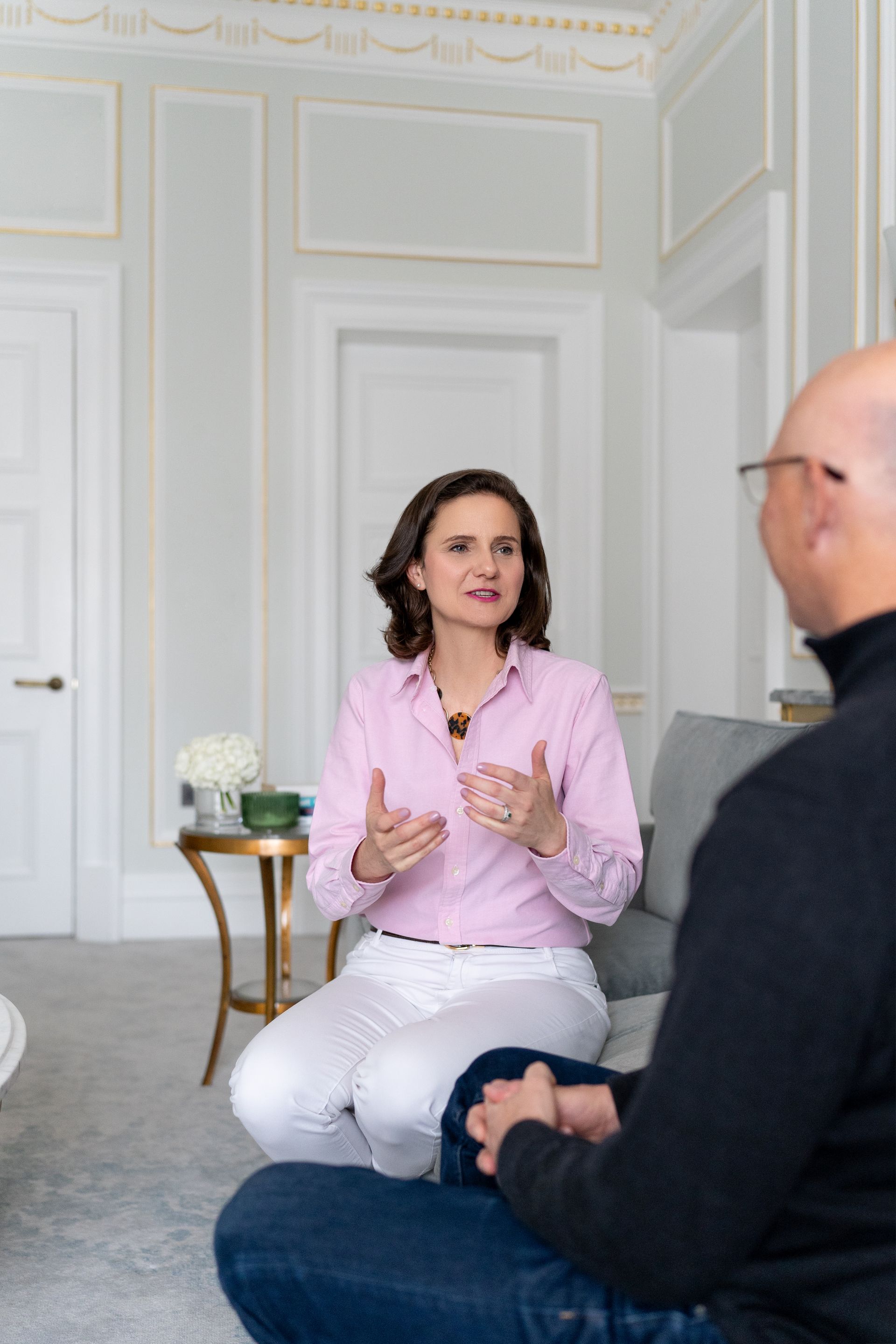
From Boardrooms to Startups: The New Era of Midlife Entrepreneurs
The Midlife Pivot: Why 45+ Professionals Are Leaving Corporate Careers to Go Solo

The global pandemic disrupted many aspects of life, but perhaps one of its most transformative and lasting effects has been on career paths, particularly for professionals aged 40 and over.
Once loyal to the structure and prestige of corporate life, a growing number of midlife professionals are now choosing a different route: entrepreneurship.
This shift is not a fleeting trend it seems. It is a significant redefinition of success, work, and personal agency. An exciting trend.
A Post-COVID awakening that continues to this day
According to Deloitte’s 2023 Human Capital Trends report, many professionals reevaluated their work during the pandemic, with “purpose” and “well-being” becoming core career priorities. For midlife professionals, many of whom already had long careers behind them, this moment of reflection sparked a desire for autonomy, fulfilment, and meaningful impact.
PwC’s Workforce Hopes and Fears Survey 2023 further reinforces this: 26% of global respondents said they were “very or extremely likely” to change jobs in the next 12 months, with older workers citing flexibility and control as top motivators.
The Rise of Midlife Self-Employment
In the UK alone, there has been a marked increase in self-employment among people over 40. A 2023 report from Startup Donut highlighted that over 1.1 million individuals aged 50+ are now self-employed, with 15% having launched their businesses in the last three years. Similarly, The Guardian reported that people aged 60 and above now make up 23% of the UK's self-employed workforce.
This trend is echoed globally. In the United States, the Kauffman Foundation notes that people aged 45–64 consistently represent the largest cohort of new entrepreneurs each year.
Why Midlife Professionals Are Going Solo
There are several interlinked reasons behind this mass midlife pivot:
1. Desire for Autonomy
After decades of working within rigid corporate frameworks, many professionals crave control over how they spend their time and energy. A 2023 report by Markel UK found that 66% of men and 69% of women pursue self-employment for the freedom to “be their own boss.”
2. Valuable Experience
Midlife professionals bring a wealth of industry insight, leadership skills, and strategic thinking to the table, making them well-equipped to succeed as consultants, fractional executives, or small business owners.
3. Burnout and Lifestyle Reassessment
Burnout has played a significant role in this shift. McKinsey & Company’s Women in the Workplace 2022 report found that senior women, in particular, were leaving corporate roles at unprecedented rates, often citing burnout and misalignment with company culture.
4. Digital Accessibility
Technology has lowered the barriers to entry. Whether launching an online coaching business, offering consultancy, or selling products, midlife entrepreneurs are now empowered by digital platforms to reach audiences globally with minimal infrastructure.
The Fractional Executive Trend
One of the most intriguing developments in the midlife entrepreneurship space is the rise of the “fractional executive”, seasoned leaders who offer their expertise to multiple companies on a part-time basis. According to The Times, this model is particularly attractive to midlife professionals seeking flexibility without sacrificing the impact and prestige they once held in full-time C-suite roles.
A Redefinition of Success
For many midlife entrepreneurs, this is not about chasing unicorn status or venture capital. It is about reclaiming purpose. As Harvard Business Review noted in a 2022 article on mid-career transitions: “People want to use their careers to reflect who they are becoming, not just who they have been.”
Midlife is no longer a plateau - it is a launchpad.
Final Thoughts
This new wave of 45+ entrepreneurs is not only reshaping what it means to work, they are also reshaping what it means to live. Whether driven by a personal wake-up call, organisational disillusionment, or the simple desire for something more, these professionals are proving that it is never too late to start again with wisdom, courage, and clarity.
Whether you are contemplating leaving corporate life or simply seeking more purpose in your current role, one thing is certain – clarity creates confidence.
If you are at a crossroads and unsure of your next step, let us explore it together.
Book a free clarity conversation to reflect on where you are now, what matters most, and what is possible moving forward,
book a non-binding call here.
No pressure.
No fixed outcome.
Just the space to make a decision that truly fits you, now.
Read more on the blog